
IKEA Circular Product Design Guide 2024
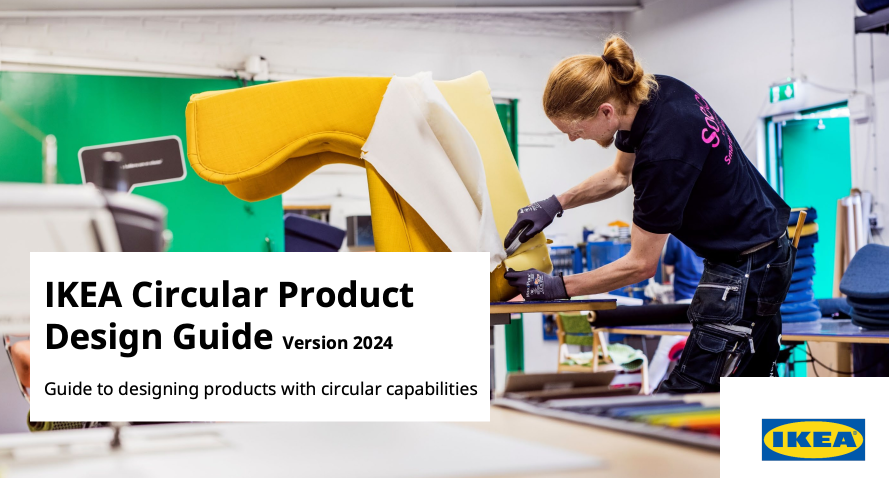
How to Use This Guide
This guide is designed to help product designers and developers understand the key principles of creating products with circular capabilities. It provides clear direction on how to build products that support reuse, recycling, and long-term sustainability.
By following these guidelines, IKEA aims to take full advantage of the opportunities offered by a circular economy, benefiting both the company and its customers through more sustainable product design and reduced environmental impact.
What Is a Circular Economy?
A circular economy is a sustainable system where materials are never treated as waste. Instead, resources are continuously reused and kept in circulation, helping to protect and regenerate nature.
In this system, products and materials are designed to stay useful for as long as possible through processes such as reuse, refurbishment, remanufacturing, and recycling. This reduces the need for new raw materials and minimizes environmental impact.
The circular economy also helps address major global challenges like climate change, biodiversity loss, pollution, and waste. It works by separating economic growth from the use of limited natural resources, creating a more sustainable and balanced way of production and consumption.
Circularity from the Customer’s Perspective
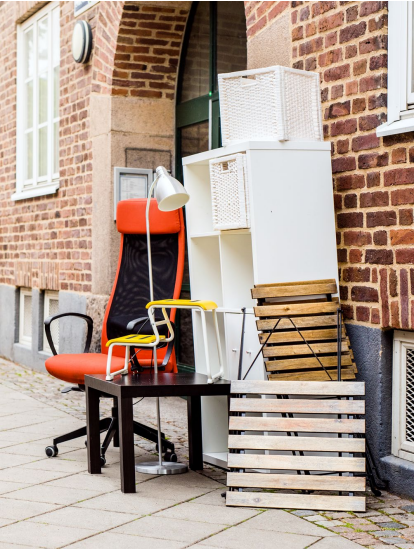
Customer behavior is changing as people become more aware of their impact on the environment. Many individuals are now living in smaller spaces and choosing to own fewer but more meaningful items that they truly value.
While most people do not want to create waste, they often find it difficult to let go of items that still seem useful or valuable. At the same time, there is growing interest in products made from recycled materials and a clear shift away from disposable goods.
However, many consumers still feel that choosing sustainable options can be complicated or inconvenient.
Companies like IKEA can support this shift by designing products with circularity in mind and offering solutions that make it easier for customers to reuse, refurbish, remanufacture, and recycle products in a practical and accessible way.
Circular Loops
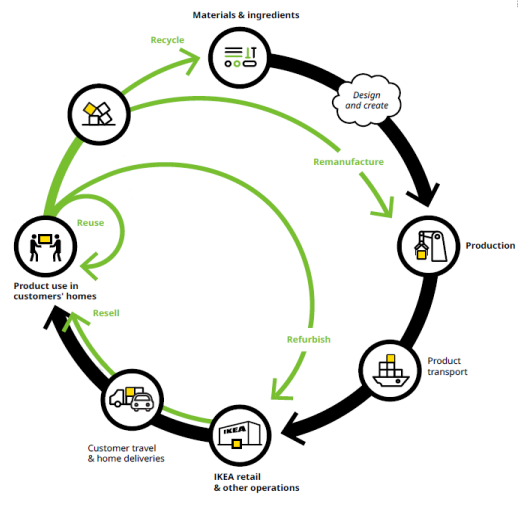
Circular loops are the foundation of IKEA’s transition toward a circular business model. They influence every part of the business, including how IKEA interacts with customers, how products and services are designed, and how materials are sourced and managed throughout the supply chain.
These circular loops define key processes such as reuse, refurbishment, remanufacturing, and recycling. The main purpose of these processes is to preserve as much value as possible and extend the lifespan of products, parts, and materials for both customers and IKEA.
By designing products with circular capabilities from the beginning, IKEA ensures that items can continuously move through these circular loops, supporting a more sustainable and resource-efficient system.
Reuse
Once a customer purchases a product, it enters the first circular loop known as reuse. Reuse refers to the way customers use and maintain products in their everyday lives. This includes proper care, regular maintenance, small repairs, or upgrades to keep the product in good condition as their needs change over time.
Reuse also involves passing products on to others when they are no longer needed, as well as supporting secondhand markets where items can continue to be used instead of being discarded.
Refurbishment
Refurbishment is the process of restoring used or slightly damaged products back to a near “like-new” condition. This process is carried out either by IKEA or by approved third parties outside the customer’s home.
During refurbishment, products are carefully inspected, cleaned, and repaired if needed. In some cases, they may also be upgraded or recertified before being reintroduced into the market for reuse. This helps extend the life of products and reduces waste by keeping them in circulation for longer.
Remanufacturing
Remanufacturing is the process of taking usable parts from dismantled products and using them to create new products. Instead of discarding components, they are recovered, processed, and reintegrated into production, helping reduce waste and make better use of existing resources.
Recycling
Recycling is the process of converting product parts into new raw materials. These materials can then be used again within IKEA or in external supply chains to produce new items.
Recycling represents the final stage in a product’s lifecycle. Before reaching this stage, every effort is made to explore earlier circular options such as reuse, refurbishment, and remanufacturing. Only when these options are no longer possible are materials directed into recycling, ensuring maximum value is extracted from each product part.
Circularity and Democratic Design
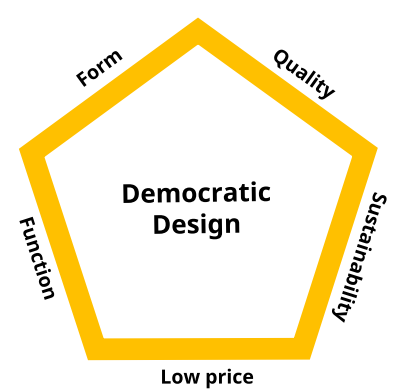
Democratic Design is the foundation of every IKEA product. It is IKEA’s approach to designing, developing, and evaluating products to ensure they combine good function, attractive form, long-lasting quality, sustainability, and affordable pricing.
Circular design principles are an important part of the sustainability aspect within Democratic Design. These principles focus on creating products that perform well during their intended use while also considering how their lifespan can be extended through reuse, repair, refurbishment, and recycling.
By integrating circular thinking into the design process from the beginning, IKEA ensures that products are not only useful and durable but also prepared for multiple life cycles, supporting a more sustainable future.
No “One-Size-Fits-All” Approach to Circular Product Design
Circular design principles are used to better understand and define how products can be developed with circular capabilities in mind. These principles guide designers in considering reuse, refurbishment, remanufacturing, and recycling at different stages of a product’s life cycle.
However, not every product has the same potential for circular processes. The ability to apply reuse or recycling strategies depends on factors such as the product type, its expected lifespan, how it moves through circular systems, and the materials used in its construction.
Because of these differences, there is no universal or “one-size-fits-all” solution for circular product design. Instead, a combination of relevant circular design principles is applied to each product.
Together, these principles help ensure that products are designed to last as long as possible and can eventually be transformed into valuable resources for new products at the end of their life cycle.
Circular design principles
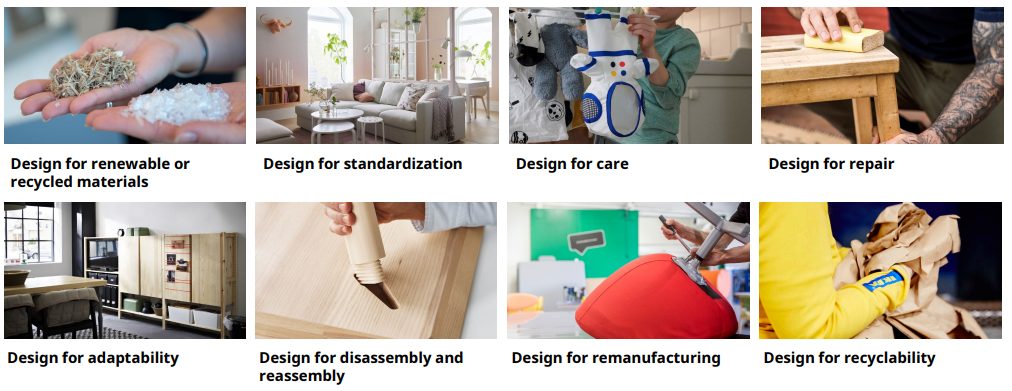
Design Instructions
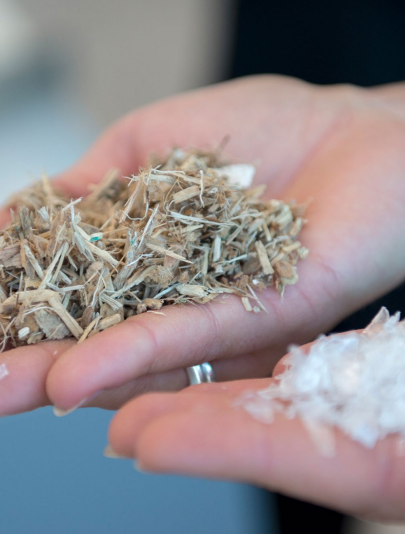
Design for renewable or recycled materials
Using renewable or recycled materials.
In a world of limited resources, we want to use materials that are already in use (recycled) or that can be regenerated (renewable). With this we aim to end dependency on virgin fossilbased materials and their negative consequences for people and planet. Using renewable and recycled materials also helps prevent future material scarcity.
Design for Standardization
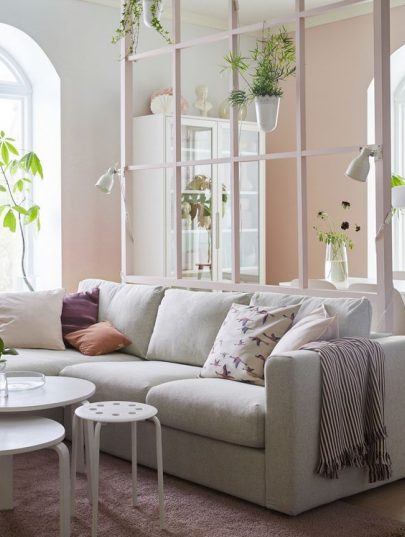
Design for standardization focuses on reducing variation in materials, components, dimensions, and other product elements. By limiting unnecessary differences, products become more consistent and easier to manage throughout their lifecycle.
This approach increases compatibility between products, parts, and materials, which helps enable more efficient care, repair, upgrading, refurbishment, remanufacturing, and recycling.
Using standardized dimensions, platforms, fittings, colors, and materials also supports modular design. It makes it easier to replace or exchange parts when needed and reduces the number of spare parts that must be produced and stored. Overall, standardization improves efficiency and strengthens circular product flows.
Design for Care
Design for care focuses on creating products that are easy for customers to use and maintain over time, helping them stay in good condition throughout their lifespan.
By providing clear knowledge and practical guidance on how to care for a product, customers are better able to preserve its quality, functionality, and appearance. This makes it possible for them to use the product for a longer period instead of replacing it early.
Considering how a product will be used in everyday life also helps designers anticipate possible maintenance needs. Products designed with care in mind can reduce wear and tear and guide users on the correct way to handle and maintain them.
In addition, care and maintenance products can be developed and made easily accessible to customers, further supporting long-term product use and durability.
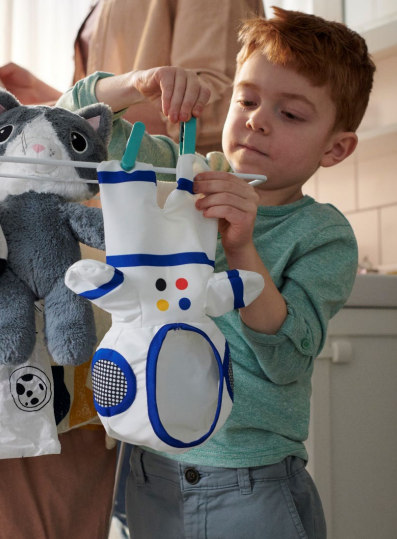
Design for Repair
Design for repair focuses on creating products that are easy to fix when something goes wrong. It ensures that damage or wear does not automatically mean the end of a product’s life.
Accidents can happen, and products may also wear out after frequent use. By designing for repair, both the function and appearance of a product can be restored, allowing it to remain useful for a longer time instead of being replaced.
Understanding how a product is used in everyday life helps identify parts that are more likely to break or wear out. These parts can then be designed for durability and made available as spare parts when needed.
In addition, providing simple repair solutions such as repair kits and support services makes it easier for customers to fix their products and extend their lifespan.
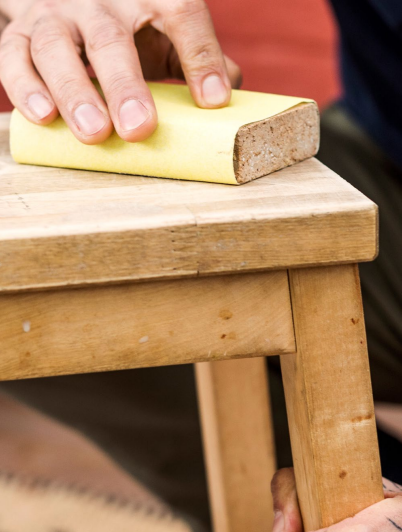
Design for Adaptability
Design for adaptability focuses on creating products that can evolve with the changing needs of customers over time. To stay useful for as long as possible, products should be designed to adjust to different life situations and user requirements.
By allowing parts to be added, removed, or replaced, products can be easily modified in terms of style, shape, or function. This reduces the need to replace the entire product when customer needs change.
This approach may include modular design systems, interchangeable surfaces or fabrics, and flexible functional features. As a result, products become more versatile, durable, and better aligned with evolving lifestyles, supporting longer product life and reduced waste.
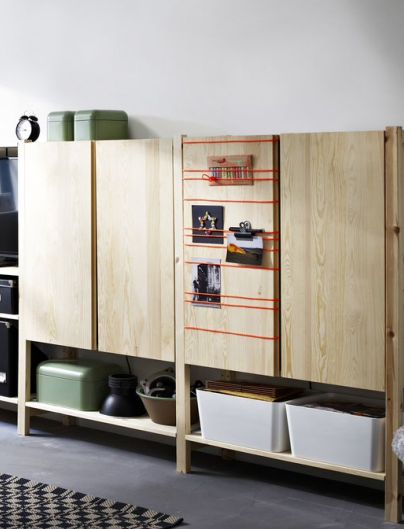
Design for Disassembly and Reassembly
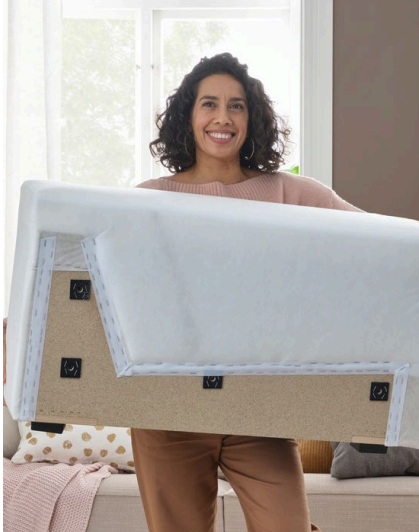
Design for disassembly and reassembly focuses on creating products that can be easily taken apart and put back together when needed. This approach supports more efficient reuse, repair, refurbishment, and remanufacturing.
When products are designed for simple disassembly, it becomes easier to maintain and extend their lifecycle. It also allows customers to move products from one place to another without damaging them.
In addition, this design approach makes it easier to replace broken parts or modify components when adapting, updating, refurbishing, or remanufacturing a product. As a result, products become more flexible, durable, and suitable for long-term use within a circular system.
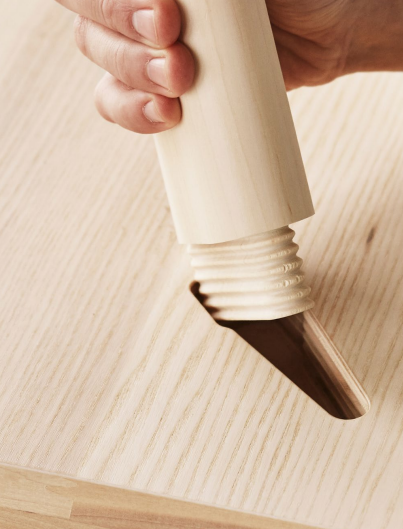
Design for Remanufacturing
Design for remanufacturing focuses on creating products with components that can be easily recovered and reused in other products in the future.
In a world with limited natural resources, today’s products must also be seen as valuable resources for tomorrow. This approach encourages designers to consider from the beginning whether parts can be reused in new products after the original product reaches the end of its life.
By enabling parts to be reused in this way, remanufacturing increases resource efficiency, reduces waste, and can also help lower the overall cost of producing new products.
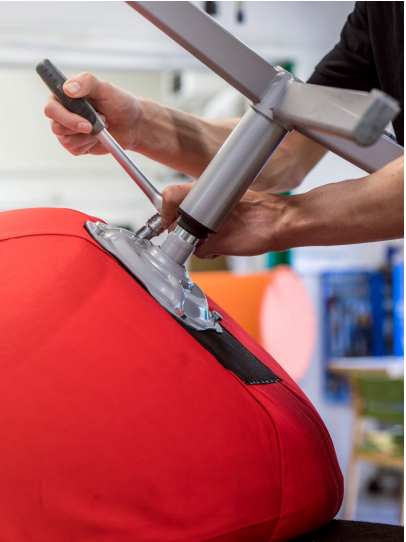
Design for Recyclability
Design for recyclability focuses on selecting materials and defining how they are combined so that they can be effectively recycled at the end of a product’s life.
Products today act as material banks for the future, meaning their materials should be recoverable and reusable whenever possible. Recycling is considered the final option in a product’s lifecycle, used only when reuse, repair, refurbishment, or remanufacturing are no longer possible.
To improve recyclability, designers should minimize the variety of materials used in a product and ensure that selected materials are technically recyclable. In addition, materials should be combined in ways that allow them to be easily separated. This increases the likelihood that products can be efficiently recycled into new raw materials for future use.
Conclusion
Circular product design is a key step toward building a more sustainable future where resources are used responsibly and kept in circulation for as long as possible. By applying principles such as reuse, repair, adaptability, remanufacturing, and recyclability, products can be designed to deliver long-term value while reducing waste and environmental impact.
Instead of following a linear “use and dispose” model, circular design encourages a system where every product is seen as a potential resource for the future. This approach not only supports environmental goals but also improves product durability, customer satisfaction, and overall efficiency.
As circular thinking becomes more important in modern design and manufacturing, adopting these principles helps create smarter, longer-lasting, and more responsible products that benefit both people and the planet.
#CircularIKEA
Together, we make a difference.
👉 Download PDF Manual
35d34b3109ba05bab1f896d67530d5c8feac44cc29bd264733052bf056221a00
