

Introduction
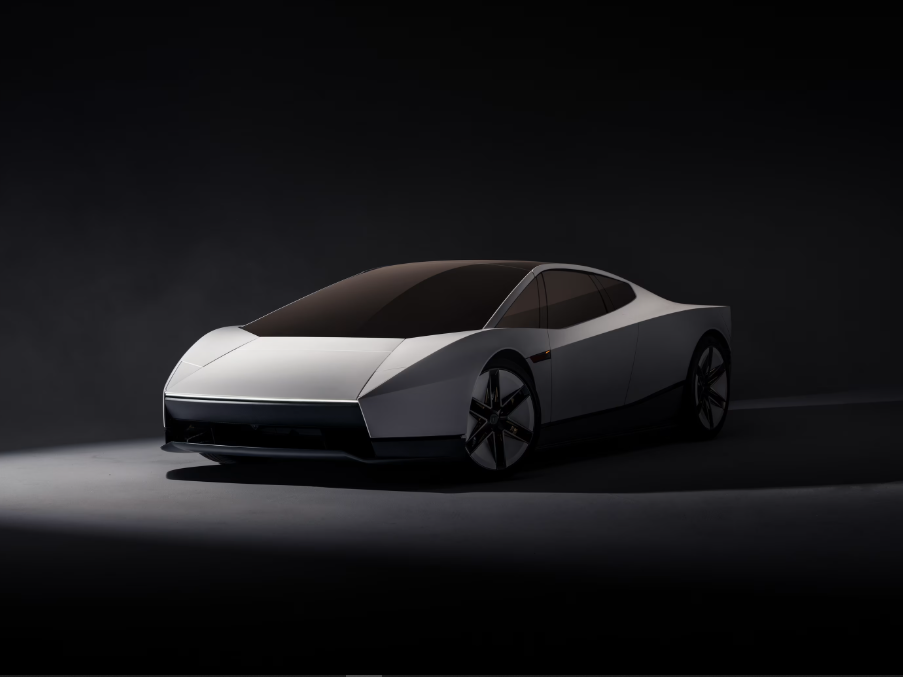
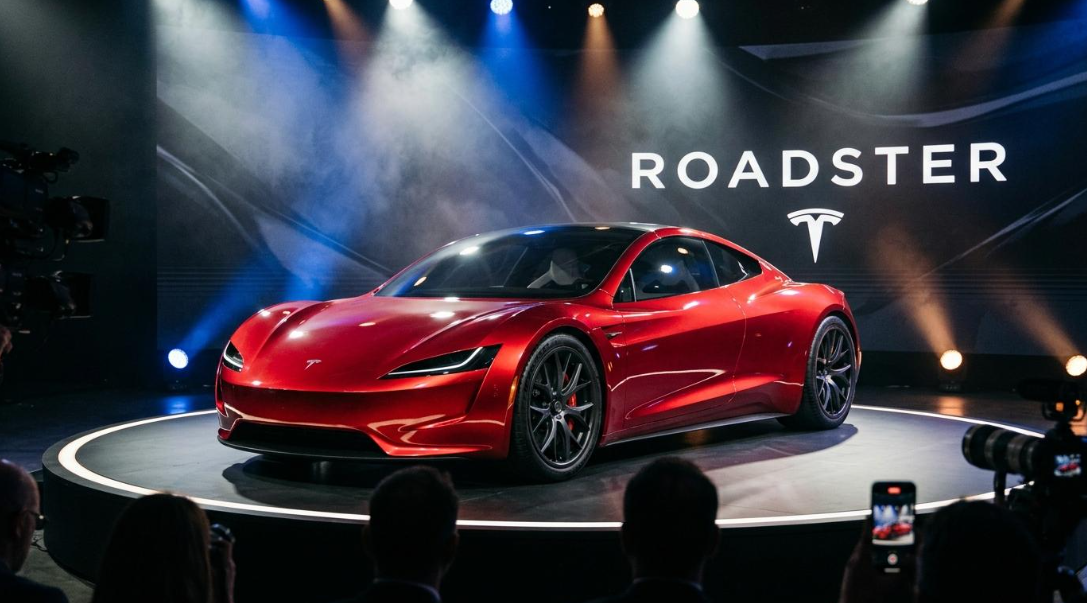
After nearly a decade of delays, promises, and speculation, Tesla has finally unveiled the second-generation Roadster. The event, held at a SpaceX test site in Texas on October 15, 2026, was pure Elon Musk spectacle. The car isn’t just fast; it’s a machine designed to challenge the very laws of physics. With claims of sub-one-second acceleration, a top speed exceeding 230 mph, and an optional SpaceX package that allows the car to briefly “fly” or hover, the new Roadster is less a car and more a science fiction fantasy brought to life.
But beneath the hype lies a complex picture of groundbreaking engineering, significant practical compromises, and a production timeline that still feels tantalizingly distant. This guide cuts through the noise, compiling the official specs, the audacious claims, and the critical pros and cons so you can understand what the 2026 Tesla Roadster truly represents.
Tesla Roadster 2026: At a Glance
| Feature | Specification |
|---|---|
| Unveiling Date | October 15, 2026 |
| Production Start | Target of 2028 (history of delays noted) |
| Base 0-60 mph | Under 1.6 seconds (Performance model) |
| “Rocket” 0-60 mph | Under 0.59 seconds (claimed) |
| Top Speed | Exceeding 230 mph (370 km/h) |
| Range | More than 300 miles (approx. 483 km) |
| Key Innovation | SpaceX Cold-Gas Thruster Package (“Flying” capability) |
| Seating | 2-Seat Layout |
| Price | Unconfirmed; $250,000 reservation reported |
A True Pilot’s Car
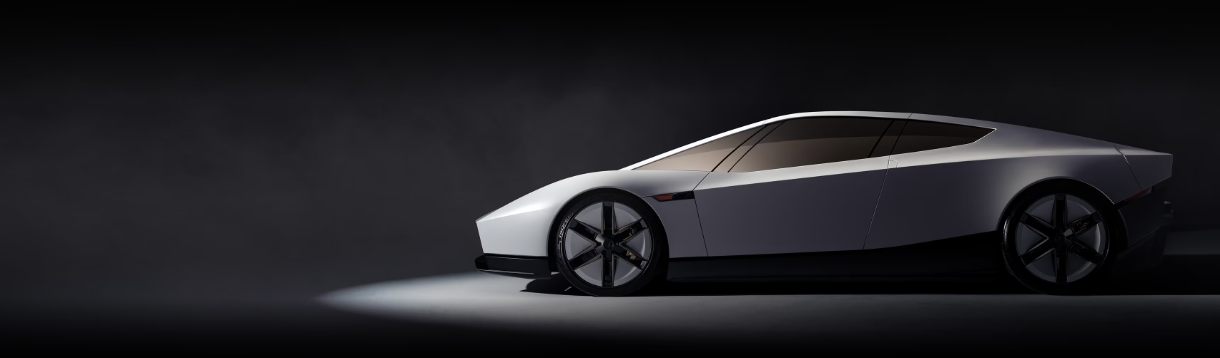
Roadster can perform at levels unlike any other production car. It goes beyond Plaid to unlock an entirely new dimension of driving. It challenges the limits of design, engineering and physics to deliver an expertly crafted extra-terrestrial vehicle.
Performance & Specifications
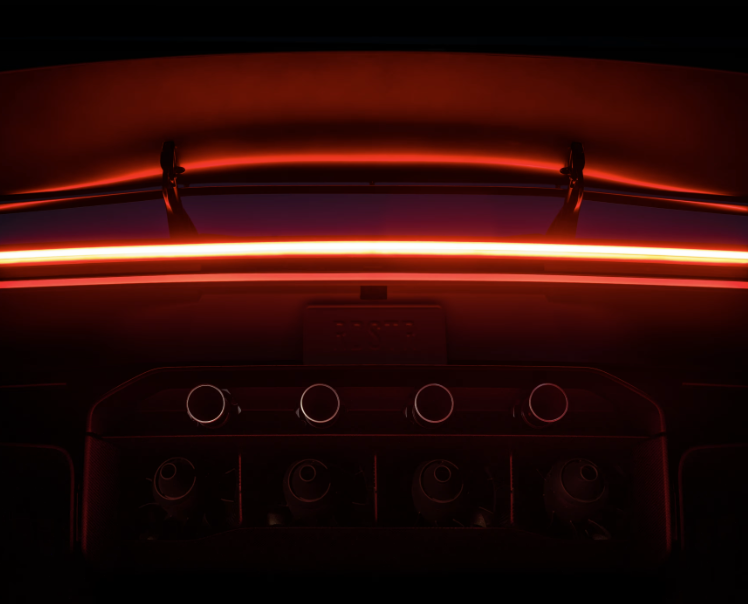
Performance & Specifications: The Numbers Behind the Hype
The performance claims for the new Roadster are staggering.
Road ready with seating for two. Features active aerodynamics and a multi-mode suction system that maximizes downforce for next-level performance on and off the track.
Tesla is positioning it as the fastest production car ever, and the specifications, even if unverified, are the stuff of legend.
Acceleration
The base “Performance” model is claimed to hit 60 mph in under 1.6 seconds. The mid-tier “Thrust” model drops this to under 0.9 seconds. The top-tier “Rocket” trim, equipped with the SpaceX package, is claimed to achieve a 0-60 mph time of under 0.59 seconds. For context, the current quickest production cars are in the 2-second range. Tesla demonstrated a run clocked at 0.81 seconds on stage, but independent verification is still pending.
Top Speed & Range
The top speed is quoted as exceeding 230 mph (370 km/h), with Musk suggesting they may aim for half the speed of sound (383 mph) in the future. The driving range is officially stated as “more than 300 miles” on a single charge. This is a notable reduction from the nearly 1,000 km (620 miles) promised back in 2017, reflecting a shift in design priorities toward raw performance over maximum efficiency.
The SpaceX Package: How It “Flies”
The most talked-about feature is the optional SpaceX package. It is a Cold-Gas Thruster system, developed in collaboration with SpaceX (internal code A71), that uses high-pressure gas nozzles to generate thrust. This system is responsible for the sub-1-second acceleration and allows the car to perform stunts like hovering, “sticking” to a wall or ceiling, or even flipping in mid-air. The thrusters alone are said to produce 8,000 Nm of thrust. However, it is crucial to note that the Thrust and Rocket trims are not approved for public road use and are likely restricted to private roads or race circuits.
Mass Control
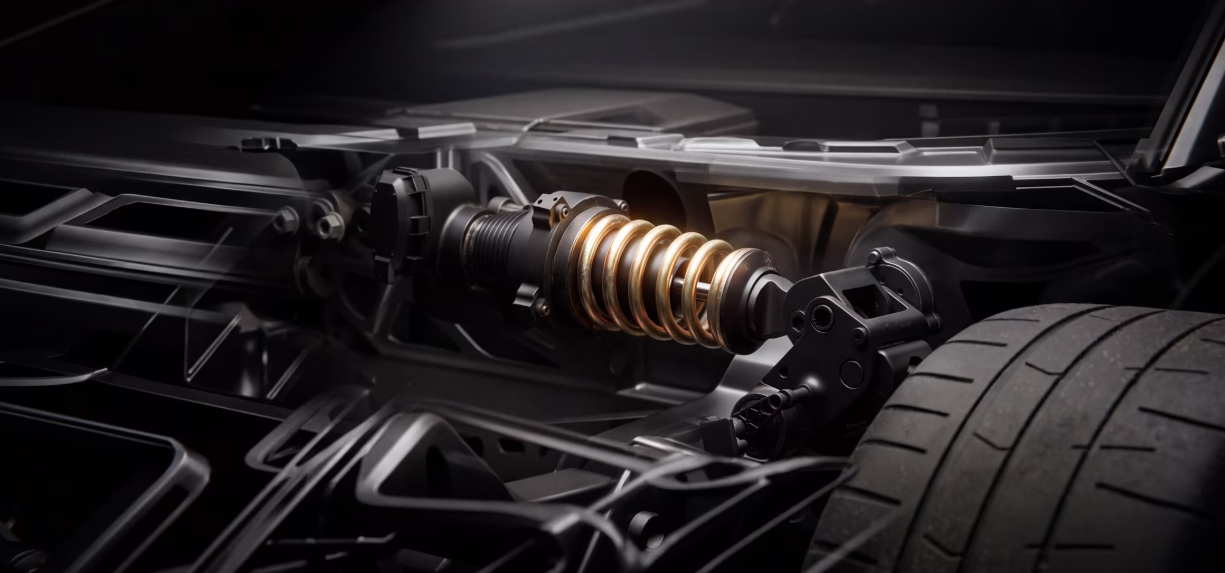
First principles engineering, manual controls and a fixed seat position help reduce overall vehicle mass. With lightweight, high-strength materials throughout, including magnesium, titanium and carbon fiber, we are able to achieve even greater reductions. This allows Roadster to respond to driver inputs almost instantly during extra-dimensional driving.
The Interior
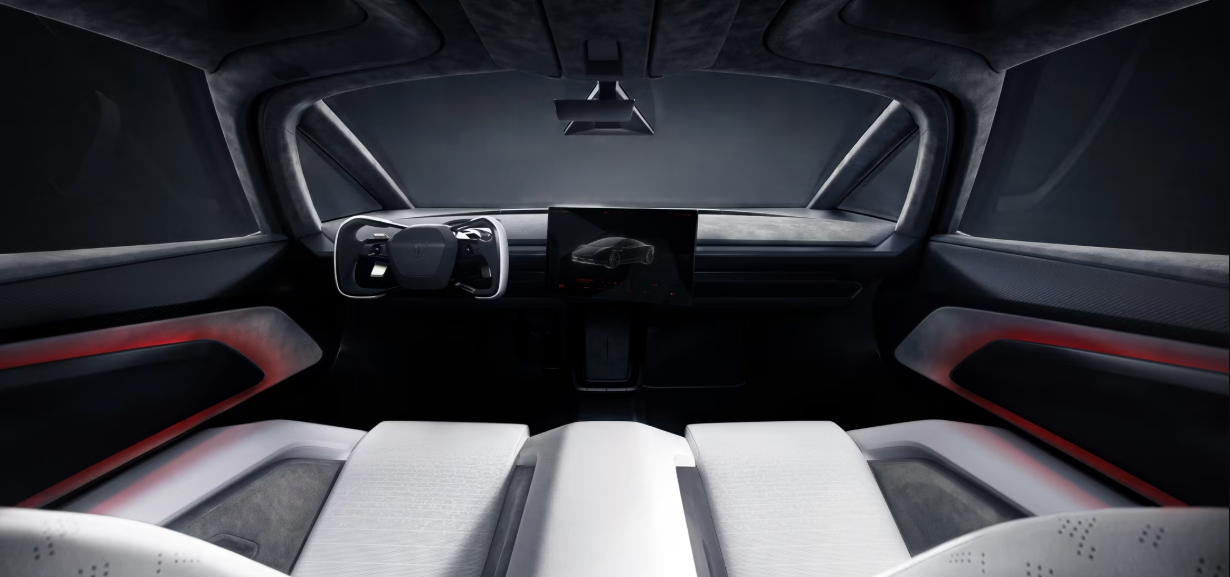
The Interior: Minimalism for the Sake of Speed
The interior of the new Roadster is a radical departure from luxury. It is designed with one goal: minimizing weight and maximizing the connection to the machine.
- Fixed Seating: Tesla has removed adjustable seat mechanisms entirely. The seats are fixed in position, integrated into the chassis, and use a reinforced design with grey microsuede bolsters to hold occupants in place during high-G cornering.
- Yoke Steering & Manual Controls: The steering wheel is a yoke-style, game-controller-inspired design. It also features physical, manual controls for steering, braking, and throttle, using a steer-by-wire and brake-by-wire system.
- Digital Cockpit: The dashboard is dominated by a large central touchscreen, flanked by two smaller digital displays that present vital telemetry data to the driver.
- Ultrawhite Theme: The cabin is finished in an “Ultrawhite” colour scheme, creating a stark, futuristic, and weight-conscious aesthetic.
Beyond The Limits of Physics
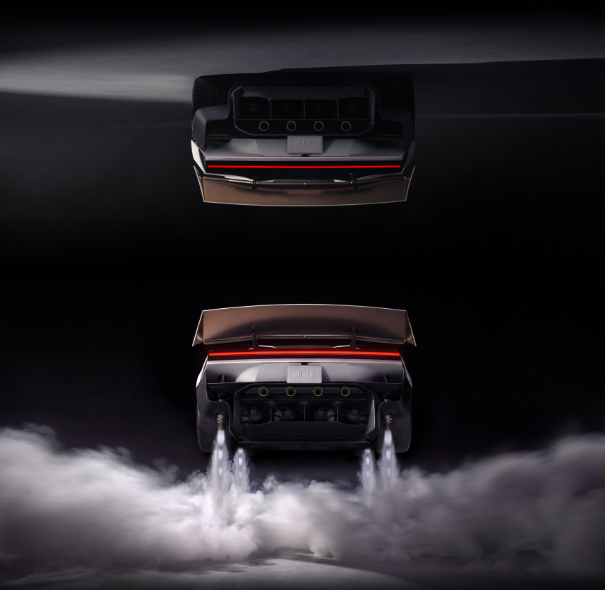
Tesla’s multi-mode fan and ground sealing system acts as a downforce generator, pulling air out from beneath the vehicle. This provides enough suction to hold the vehicle upside down, even when stationary. Powered fans and active wings maximize traction and cornering speeds in all conditions, achieving massive downforce at zero speed. A next-gen steer-by-wire system offers incredible feedback in various road conditions. Activate Track Mode to lower the car and transform the suspension. High downforce or low drag modes can then be used as needed on the track.1
Pros and Cons 2026
| Pros | Cons |
|---|---|
| Unmatched Performance: Claimed sub-1-second acceleration is a paradigm shift for road cars. | Impracticality: The “flying” and extreme performance trims are not road-legal. The fixed seats and minimalist interior sacrifice comfort for speed. |
| Groundbreaking Technology: The SpaceX Cold-Gas Thruster package is a genuine first for a production-intent vehicle. | Staggering Cost: A reported $250,000 reservation fee puts it in hypercar territory, far beyond the reach of most enthusiasts. |
| Exclusivity & Halo Status: It will be an instant collectible and a powerful statement of Tesla’s engineering capability. | History of Delays: The car was first promised for 2020. The current 2028 production target is met with widespread skepticism due to past failures to deliver. |
| Cutting-Edge Aerodynamics & Materials: Features an aerospace-grade carbon fibre body and a removable glass roof for open-air driving. | Reduced Range Promise: The target range of 300+ miles is a significant retreat from the ~620-mile figure originally touted in 2017. |
| Brand Image Boost: It reinforces Tesla’s position as a leader in EV innovation, even if it never becomes a mass-market product. | Unverified Claims: All performance figures are manufacturer claims and have not been independently verified by third parties at this time. |
Release Date, Price, and Availability
Production & Release Date
Tesla officially targets the start of production for 2028. Given the car’s history—unveiled as a concept in 2017 with a promised 2020 release—this timeline should be treated with extreme caution. The unveiling in 2026 was a demonstration, not the start of deliveries.
Price & Reservation
Tesla has not announced a final price. However, the reservation process requires a $250,000 deposit**, which likely holds a spot for the Founders Series or a highly equipped model. Estimates for the final base price range from **$200,000 to $250,000. For context, this positions it directly against established hypercars like the Ferrari SF90 and Rimac Nevera.
The Verdict
The Verdict: A Technological Marvel or a Distraction?
The new Tesla Roadster is a polarizing machine. On one hand, it is an undeniable engineering triumph, pushing the boundaries of what an electric vehicle can physically do. The collaboration with SpaceX has produced a vehicle that captures the imagination in a way few cars ever have.
On the other hand, critics argue it’s a distraction. Some industry analysts view the “flying” stunts as a sci-fi spectacle designed to divert attention from Tesla’s real-world challenges, such as stagnating EV sales and the need for more practical, affordable models. It is a halo car in the truest sense: it shines a light on the brand but is not a vehicle most people can or should buy. It is a statement of intent, a rolling laboratory, and a billionaire’s plaything all rolled into one.
For the select few who can afford it, the Roadster offers a taste of the future. For everyone else, it remains a fascinating, controversial, and wildly ambitious preview of what’s technically possible.
(FAQs)
- Q: Is the Tesla Roadster actually available to buy?
A: Not yet. Production is targeted for 2028. You can place a reservation with a $250,000 deposit, but this is not a confirmed order for a final production vehicle. - Q: Can the Tesla Roadster really fly?
A: The top-tier “Rocket” trim with the SpaceX package can perform short, low-altitude “hops” or hover using cold-gas thrusters. It is not a true flying car in the sense of sustained, piloted flight, and it is not road-legal. - Q: What is the Tesla Roadster’s range?
A: Tesla states the range is “more than 300 miles” on a single charge. This is less than the ~620 miles initially promised in 2017. - Q: How much will the new Tesla Roadster cost?
A: Tesla has not announced a final price. The reservation deposit is $250,000, and estimates put the final price between $200,000 and $250,000. - Q: How fast is the Tesla Roadster 0-60?
A: The base model is claimed to achieve 0-60 mph in under 1.6 seconds. The “Rocket” trim is claimed to do it in under 0.59 seconds, though these figures are unverified by independent testing.
Browse all guides at productsmanuals.com.
Copyright 2026 productsmanuals.com All rights reserved. This Tesla Roadster 2026 guide is original content and may not be copied, republished, or redistributed without written permission. Tesla, Roadster, and the Tesla logo are trademarks of Tesla, Inc. This guide is unofficial and not affiliated with Tesla.
